
10 Things People Don’t See Behind the Scenes of a Film Shoot
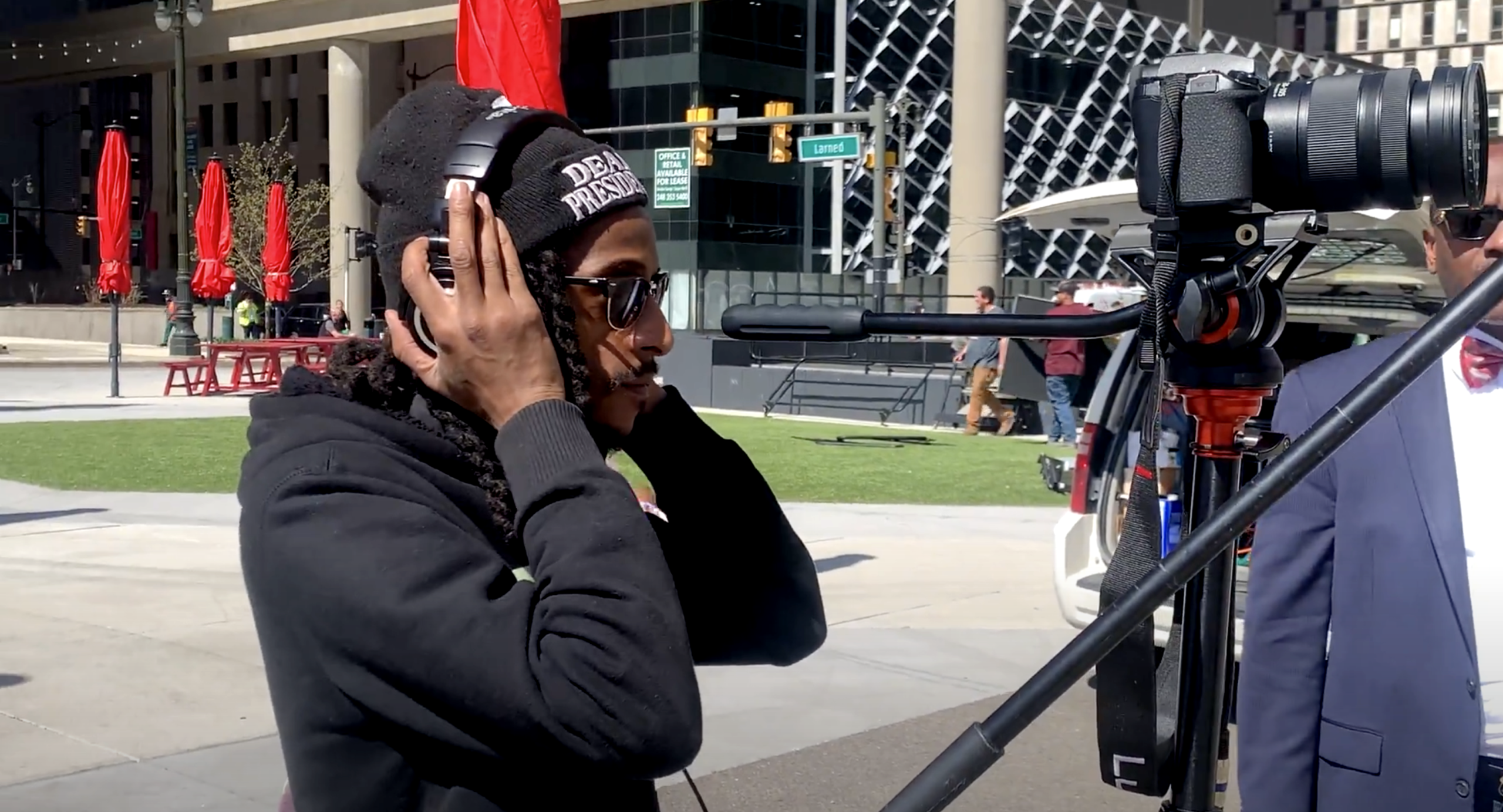
From the outside, filming looks simple. Cameras roll, actors perform, and scenes come together. However, the reality behind the scenes tells a completely different story. Every shot depends on preparation, timing, and decisions that most viewers never notice.
Below are ten things that happen behind the scenes that shape the final product.
1. Setup Takes Longer Than the Shot
Before anything gets filmed, the crew spends time setting up lights, framing the shot, and preparing audio. As a result, a scene that lasts a few seconds on screen can take much longer to build properly.
At the same time, every part of that setup has a purpose. Lighting defines the mood. Framing controls what the audience sees. Audio ensures the moment feels real. If one piece is off, the entire shot loses impact.
More importantly, this process separates casual filming from professional production. Anyone can press record. However, not everyone takes the time to build the scene correctly before the camera starts rolling.
2. Lighting Changes Everything Behind The Scenes
At first glance, lighting seems simple. It helps the camera see the subject. In reality, it does much more than that. It controls how the entire scene feels before a single line is delivered.
In practice, small changes in lighting can shift the mood instantly. A brighter setup can feel open and clean. A darker setup can feel tense or dramatic. Because of this, lighting decisions shape how the audience reacts without them even realizing it.
Over time, this becomes one of the clearest differences between amateur and professional work. Anyone can turn on a light. However, knowing where to place it, how to shape it, and when to adjust it is what brings a scene to life.
3. Audio Matters More Than People Think
At a surface level, viewers focus on what they see. At the same time, audio quietly carries just as much weight. If the sound feels off, the entire scene loses credibility.
During production, capturing clean audio takes intention. Microphone placement matters. Background noise has to be controlled. Even small distractions can ruin an otherwise perfect take. Because of that, sound is treated with the same level of attention as the visuals.
In the long run, strong audio separates content that feels real from content that feels rushed. A sharp image may catch attention. However, clear sound is what keeps the audience engaged from start to finish.
4. Multiple Takes Are Normal
At first, a scene may look perfect on the monitor. The performance feels right. The timing looks clean. Even then, the crew usually runs it again.
In reality, each take gives more control in the edit. One version may have better delivery. Another may have better timing. Because of this, multiple takes create options instead of limitations.
Over time, this approach improves the final product. One take captures the moment. Several takes refine it into something stronger.
5. Small Details Get Attention
At a glance, background elements seem minor. However, every detail on set supports the scene. Props, wardrobe, and placement all shape what the audience sees.
In practice, crews check these details constantly. A misplaced object can break continuity. A small change can shift the focus of the shot. Because of that, attention stays locked on even the smallest elements.
In the bigger picture, these details separate polished work from rushed content. The audience may not notice each piece. Still, they feel the difference when everything lines up correctly.
6. Timing Has to Stay Tight Behind The Scenes
From the moment production starts, timing becomes critical. Scenes depend on schedules, locations, and availability. One delay can affect everything that follows.
During the shoot, the team moves with intention. Each setup leads into the next. If timing slips, momentum slows down. Because of this, production stays focused on keeping everything aligned.
In the long run, strong timing keeps projects efficient. It also reduces stress on set. When everything flows, the work feels controlled instead of chaotic.
7. Directors Balance Everything at Once
At the center of the production, the director manages multiple layers at the same time. Performance matters. Visual framing matters. Pacing matters. All of it connects in real time.
While the scene plays out, the director watches every element closely. One adjustment can improve the entire shot. Because of that, decisions happen quickly and with purpose.
Over time, this ability defines strong direction. It is not just about telling a story. It is about controlling how every part of that story comes together on screen.
8. The Environment Affects the Scene
Outside factors rarely stay still. Noise, weather, and location conditions shift throughout the day. These changes can impact how a scene plays out.
On set, the crew adapts as conditions change. A sudden sound can interrupt a take. Lighting can shift depending on the time of day. Because of this, adjustments happen in real time to protect the shot.
In the bigger picture, flexibility becomes part of the process. Strong crews do not wait for perfect conditions. They adjust and keep the production moving forward.
9. Editing Shapes the Final Story
After filming wraps, the process moves into editing. This stage brings everything together. Footage gets reviewed, trimmed, and arranged into a complete sequence.
During the edit, decisions shape the story. Pacing changes how scenes feel. Cuts control what the audience sees. Because of that, the final version often looks different from the raw footage.
Over time, editing becomes the final layer of control. It transforms individual shots into a complete experience that feels intentional and cohesive.
10. Every Role Matters Behind The Scenes
On set, every position contributes to the outcome. Camera operators, lighting techs, audio teams, and assistants all play a part in the process.
At the same time, coordination keeps everything moving. Each role connects to the next. If one part falls behind, the entire production feels it. Because of this, teamwork drives the final result.
In the end, strong collaboration creates strong content. No single role carries the entire project. The outcome reflects how well the team works together from start to finish.
Final Thoughts
Behind the scenes, filmmaking depends on precision, teamwork, and constant adjustment. While the audience only sees the finished result, the work behind it makes everything possible.
At the same time, understanding that process changes how content gets viewed. What looks simple often takes planning, coordination, and execution to get right. For a deeper look at how that plays out in a real project, explore Let Me Shoot on XZION™.
Beyond that, learning the fundamentals of production can improve how creators approach their own work. To better understand how professional workflows operate across the industry, resources like MasterClass’s filmmaking guide offer additional perspective.